
Home Canning Beginner 101 Basics
Water Bath Canning and Pressure Canning are two primary home-canning processes. Learning beginner 101 basics about Home-Canning is key to kicking off your pantry stocking activities this year!
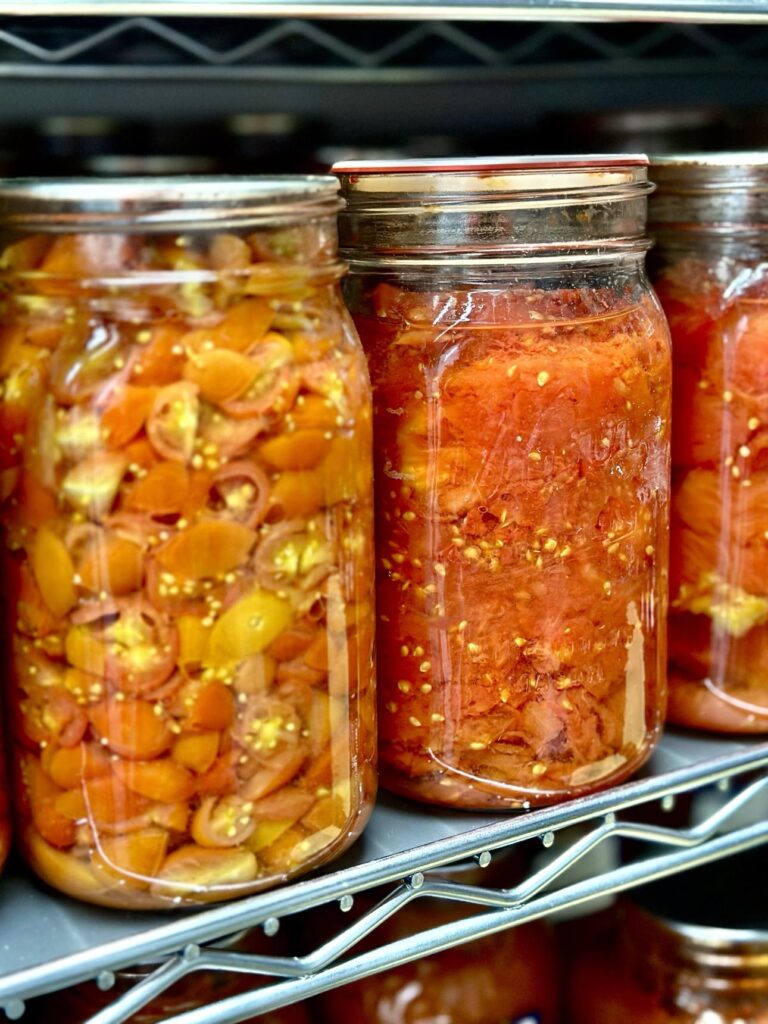
What is Water Bath Canning for Home-Canning?
Water Bath (WB) canning is a method of boiling canning jars of food for a certain amount of time to kill yeast, mold, and other bacteria. High-acid foods (pH or less than 4.6) are the approved foods to process through this method as a safe and approved self-stable canning.
What foods are Best for Water Bath Canning for Home-Canning?
Jams, Jellies, Tomatoes, Fruits, Salsa, Pickles, or Relish are typical foods that can be WB Canned.
Generational or “Rebel Canners” WB process High-acid and Low-acid foods depending on their comfort and knowledge. Generational Canning practices are shared on this blog site along with the safe/approved methods, so you can make the best decision for your family.
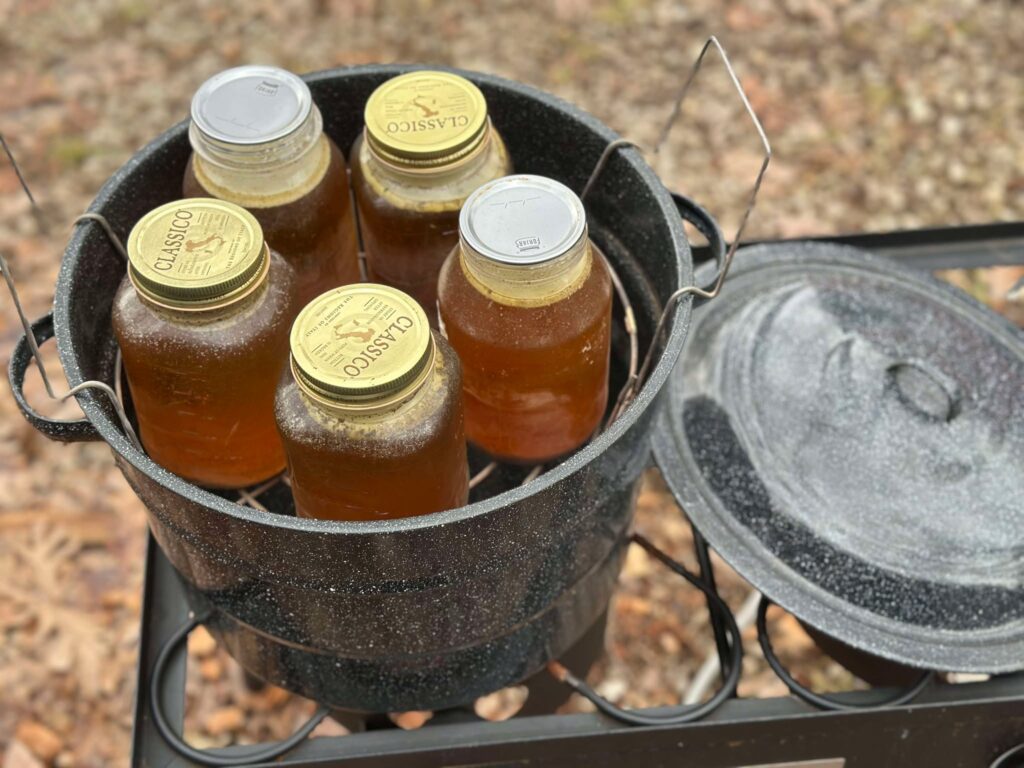
Can I use my pots for Water Bath Canning?
Although a Water Bath Canner is recommended, it is not necessary. A WB Canner typically comes with a wire rack for jar insertion and removal from the water. The same process can be achieved with a deeper stockpot. Adding regular mouth rings, kitchen towels, or a metal trivet to the base of the stock pot will work if the jars are covered in water and elevated away from the bottom of the pot.
What is the Pressure Canning method entail?
Pressure Canning is the canning process that uses a specifically designed locking lid pot that utilizes pressure to increase the temperature of steam to 240 degrees. At this temperature, the Botulinum spores are killed, allowing the low-acid foods to become shelf-stable upon sealing.
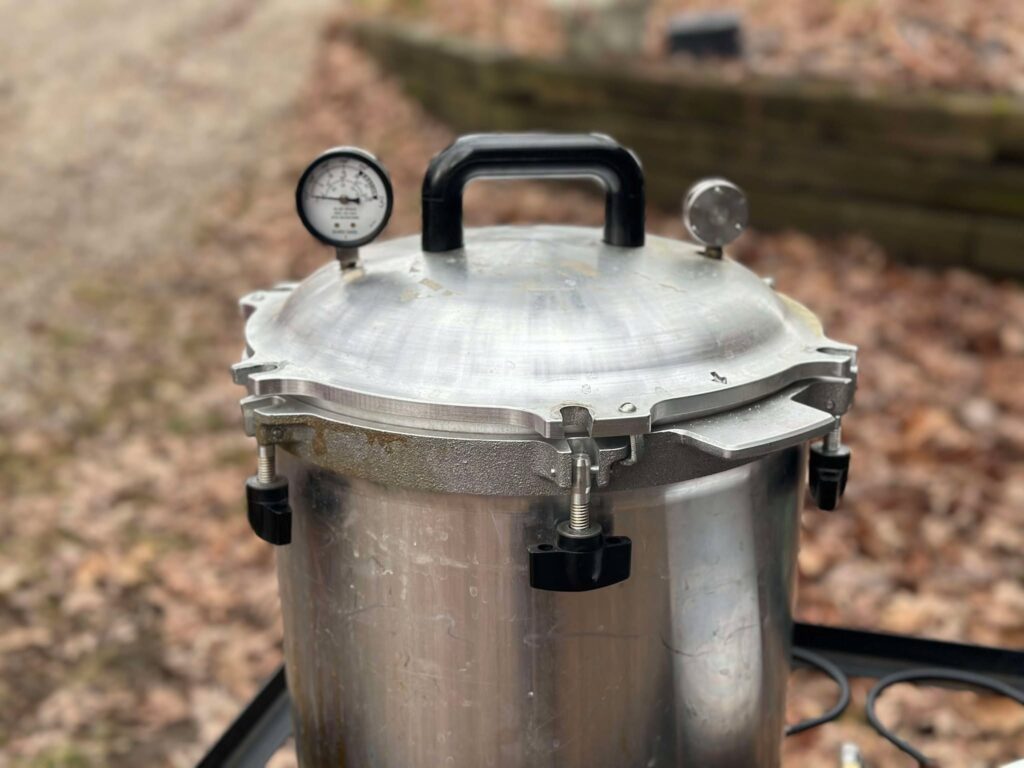
Can all foods be Pressure Canned?
Pressure Canning (PC) is the best method for Low-Acid foods (pH of more than 4.6). Red meat, Seafood, Poultry, Green beans, and Carrots are examples of low-acid foods that are recommended for PC. This method is great for low-acid foods, but all foods could be PC depending on the desired result. Most canners don’t PC high-acid foods because over-processed foods often make the results less desirable.
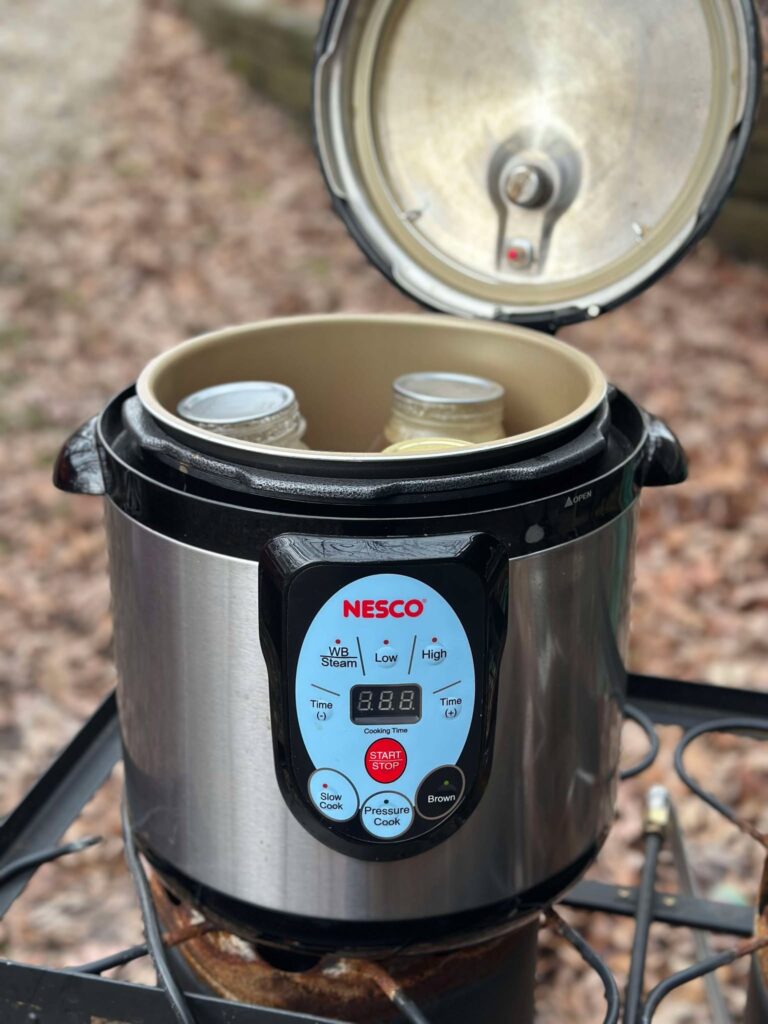
When Home Canning, can I use an Electric Pressure Canner?
Do you have limited time to CAN and don’t want to babysit the canner for 45-90 minutes to ensure the canning cycle is fulfilled? I would recommend an electric pressure canner (EPC), as this machine will regulate pressure/ temperature, sets the timer once it hits temperature, and vents properly. Follow all of the directions that come with your canner, but know that it is super easy and will take the fear out of starting your pressure canning journey.
The drawbacks to EPC, are that it is not U.S. government-approved, giving canners pause to utilize this tool, and that only 4 Quart jars typically fit in an electric pressure canner, whereas 7 jars typically fit in the stovetop pressure canner.
Links for all equipment and extras in the Amazon Storefront here.
What Canning Jars should I use?
Quality jars are a must for canning. Learning how to detect good seals for safe storage at room temperature is also helpful. While you’re learning the basics and just starting, don’t forget to seek out sales at the local supermarket, hardware store, and FB marketplace.
Previously used Jars that are $1 or less per jar are a good secondhand deal, in our opinion.
Inspect New or Used Canning Jars for chips or cracks throughout the base and body of jars. If there are any chips, nicks, or cracks this is not a safe canning jar for any method of processing but could be a cute plant holder.
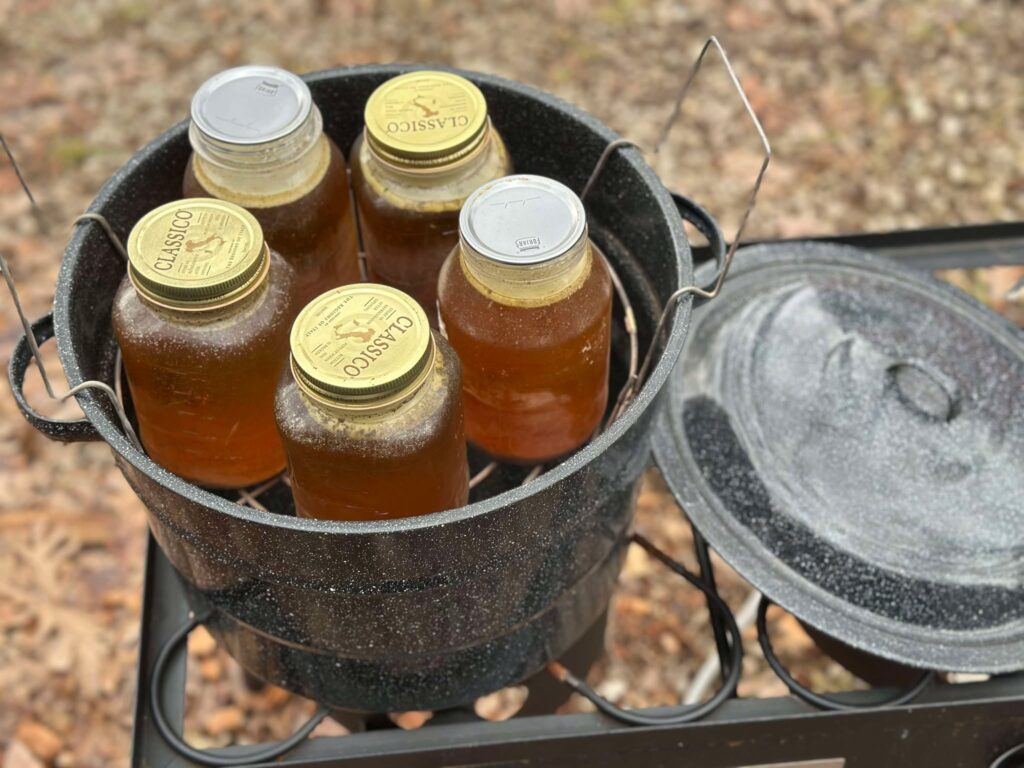
Can I reuse my old Spaghetti Jars?
As a Generational “Rebel” Canning addition; you can save food jars purchased from the grocery store. Spaghetti sauce, pickles, and olive jars are all examples of jars that can be re-sealed to create a shelf-stable seal through the pressure or water bath canning methods. If you are not confident or comfortable utilizing these jars for home canning save them for refrigerator storage of liquids and other foods for your weekly consumption.
Now that you have a better grasp on what methods to use for different food types let’s go can some carrots!
Shop this Post
